
Introduction to the world of blues and boogie-woogie — historical roots and cultural significance
If one delves into the history of American music, there is no possibility to avoid such styles as blues and boogie-woogie, which became the ground for so many musical directions. Deep layers of African American culture were born under conditions of hard labor and social inequality, their roots originating from. Blues came into being at the end of the 19th century in the southern USA as a kind of musical diary of feelings, experiences, and hopes.
In this context, learning pathways benefit from blues lessons, the kinetic spark of boogie-woogie, a groove-based feel, hands-on shuffle practice, and actionable Talented feedback that transforms genre tutorials into rhythm mastery.
For a quick start to style immersion and groove practice, you can download learn to play piano app free to begin session jams and stylistic drills with authentic blues rhythms.
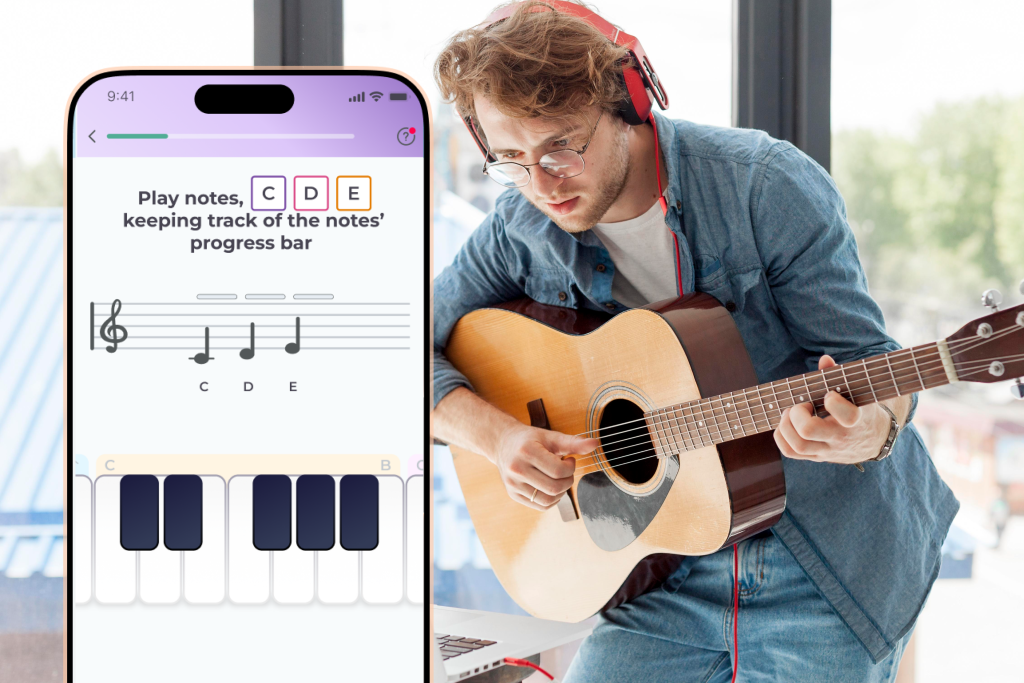
Boogie-woogie as evolution
Boogie-woogie appeared a little later, absorbing the drive and rhythmic richness of blues and adding to it energy and vivacity that so easily excites the listener. Especially loved because of its dance component and recognizable “stepping” bass, this style became:
Blues and boogie-woogie represent real cultural phenomena, not just a set of sounds, both with unique stories and emotions, which is important to understand. Both genres influenced—and continue to influence—the development of jazz, rock, soul, and other genres, but they still manage to be an integral part of humanity’s musical heritage.
Essential musical features of blues & boogie-woogie — rhythm, harmony, melody
For effectively learning these styles, one needs to understand their musical grounds. Some key characteristics we will be considering are:
- Rhythm
Blues often employs a slow or moderate tempo and at times a certain “swing,” in which the beats are strikingly “relaxed,” hence making the music lively and slightly swaying. Boogie-woogie is much more energetic, however; it boasts an upbeat, fast, and living rhythm that has made the style near-essential in accompanying dancing and improvisation. One of the salient “features” of boogie-woogie, for example, is found in the rhythmic bass pattern that is customarily heard via the left-hand line on the piano, which imparts a “stepping” groove. - Harmony
In both styles, a 12-bar blues form prevails, utilizing chord types I7, IV7, and V7, the very building blocks of the sound. However, it is the nuanced execution and transitional subtlety which create that inimitable “bluesy” color, vivid and emotional. - Melody
The melodic lines of blues are saturated with “blue” notes, a special scale with flattened third, fifth, and seventh degrees, giving to the sound characteristic “bitterness” and soulfulness. Boogie-woogie, in turn, often includes more joyful fast-developing melodic runs that allow showing improvisational potential.
Style characteristics table
| Characteristic | Blues | Boogie-Woogie |
| Tempo | Slow/moderate | Fast/energetic |
| Rhythm | Swing, relaxed beats | Stepping bass, steady pulse |
| Harmony | 12-bar form, chords I7, IV7, V7 | Similar to blues with focus on bass pattern |
| Melody | Blues scale with “bitter” notes | Lively, energetic improvisations |
Understanding these elements will provide a sound basis for further study and mastery in musical groove styles. This foundation is inherently groove-based and benefits from deliberate shuffle practice to lock in musical swing.
Secrets of the Groove — how to feel and reproduce the energetic pulse of styles
It is not just a rhythmic base—the groove in blues and boogie-woogie, but rather a sort of living fabric which permeates the composition with energy and makes the listener move. For this energetic pulse to be felt properly, several aspects have to be understood.
- Pulsation and pushback
Called “swing” is the slightly “pulling” or “pushing” rhythm often found in blues. Boogie-woogie, by its nature, represents a fast-moving and lively tempo with accented sixteenths while playing with light boldness. - Work with dynamics
It is based not only on even sound but also on subtle changes in volume and weight of each note. The strong and weak beats then alternate, creating an effect of live movement. - Interaction of instruments
The groove arises in duets and ensembles, thanks to the close connection between the rhythm section—bass, drums, keys—and solo instruments. It is very important to listen not to yourself only, but to every participant of an ensemble here.
Becoming part of a living process—as if you are not just playing notes, but conversing with rhythm and dynamics—to reproduce the groove, feel yourself. The key to an absolutely real energetic pulse that moves and inspires is immersion in the music. Style immersion, blues rhythms, shuffle grooves, and groove practice develop the rhythmic feel needed for authentic blues.
This section emphasizes shuffle practice and a groove-based approach that complements genre tutorials and learning hotspots.
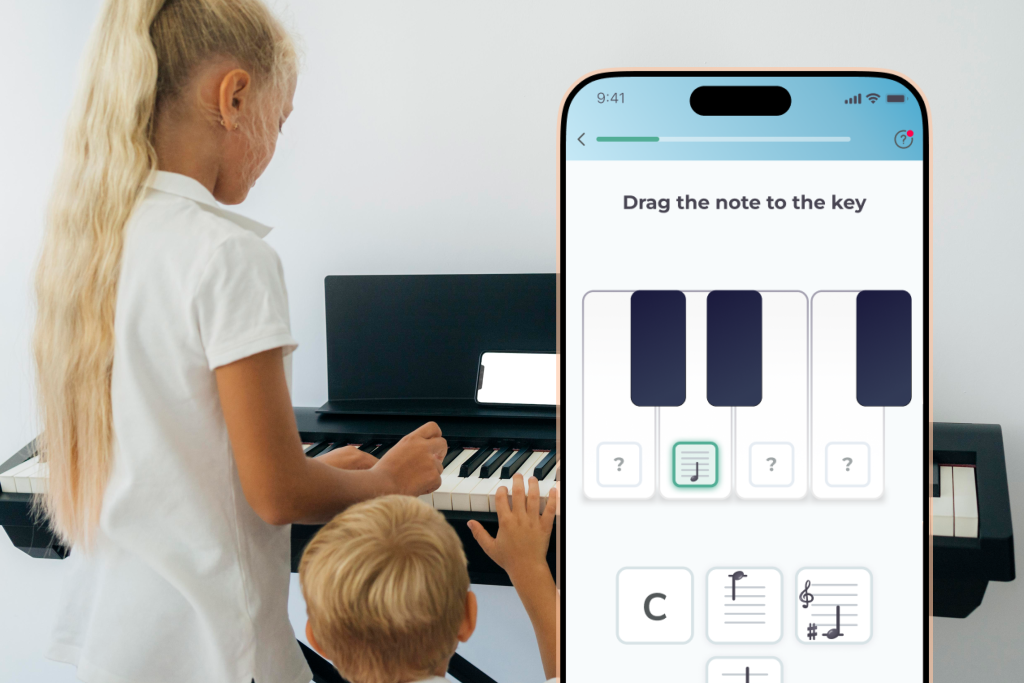
Practical techniques and exercises for developing technique and rhythmic precision
Real mastery was achieved in the blues and boogie-woogie through methodical work on technique and rhythm. Following are some tried and tested methods which will help improve your skills.
- Slow pattern runs
With a low tempo, it is best to precisely reproduce every note and accent. Allowing you to feel the role of every beat and fine-tune technical aspects. - Using a metronome with variable accent placement
Try to practice pieces where the metronome places the accents not just on regular weak-strong beats but on intermediate ones too. A sense of inner pulsation and rhythmic flexibility this develops. - Swing and “sixteenths with triplets”
Train the ability to play with time displacement: slightly shifting sixteenth notes back and forth, creating a “sway.” One of the main features distinguishing the blues groove, this is. - Call-and-response rhythm
Practice playing along with a recording or partner: perform short rhythmic phrases, then repeat or respond to them. Securing the skill of musical dialogue, this will. - Improvised accent exercises
Emphasize various aspects of the measurement, trying to strengthen or weaken different parts. Developing a sense of dynamic balance and rhythmic control this does.
These exercises aim at gradually building up both your technical foundation and inner feeling of swing and drive. With regular practice, with attention, and with patience, runs will be livelier and the groove more natural. Framing them as focused blues lessons and stylistic drills supports rhythm mastery and session jams.
Improvisation — the living language of blues and boogie-woogie
Improvisation is the very soul of blues and boogie-woogie, a method whereby the musician can seize hold of his inner voice and respond instantly to mood and atmosphere. Without it, these styles would lose that living spark that makes every concert a unique event, and every melody a deeply personal message.
Why improvisation matters:
- Freedom of self-expression
Improvisation, compared to strictly fixed notes and rhythms, allows the escape into the individuality of the performer—through the spontaneous creation of phrases and rhythmic patterns, he narrates his story, visualizes emotions, and can even create a dialogue with the audience. - Flexibility and adaptation
Live performance is always at the mercy of sudden mood changes, crowd reaction, reaction of other instruments, and even the mood a musician is in. Improvisation enables quick adaptation and the introduction of new elements while maintaining the integrity of the musical narrative. - Immersion in rhythm and harmony
To improvise freely, one needs to know harmonic structures and rhythmic patterns inside and out. It is only upon realization and “feeling” that the musician gets the opportunity to boldly step away from the written and create something new without losing style.
What to study and do:
- Study characteristic blues and boogie-woogie scales and modes including the pentatonic, the blues scale, and Mixolydian mode.
- Break down and analyze classic solos, memorizing typical melodic moves and techniques.
- Develop your rhythmic sense through jamming and playing with other musicians. As confidence grows, add more and more improvised passages to your own compositions or exercises.
More than anything, allow yourself to experiment, not being afraid to make mistakes. Every failure is one step closer to growth, every new musical stroke a small victory in mastering this living language of blues and boogie-woogie. And remember that improvisation does not come from random collections of sound but is born from a deep understanding of the language and an emotional connection to music. The more you get into such styles, the more natural your musical statement, so much more expressiveness there would be. These improvisation sessions reinforce musical swing and genre tutorials in practice.
How Talented makes mastery easier — tools that accelerate learning
Easy becomes mastering blues and boogie-woogie, if a suitable instrument is at hand — which is why we have created educational solutions making the immersion process into these styles not only productive, but inspiring as well.
What helps accelerate learning and deepens the understanding of musical features?
- Exercises interactifs avec feedback
Instead of just listening and repeating, each user receives instantaneous accuracy assessment. Real-time support helps correct rhythm and technique that are crucial for the attainment of the authentic sound of blues and boogie-woogie. - Adaptive lessons tailored to level and goal
Whether you are a total beginner or an advanced musician, the system automatically adjusts the difficulty of the material. That means you won’t get stuck in any one place but develop at exactly the pace that is optimal for you. - Rhythmic patterns and groove analysis
Extra attention is given to how to feel and reproduce the characteristic pulse, the so-called “groove.” Built-in tools help outline even the most minute subtleties that fill blues and boogie-woogie with life and emotion. - Integrated library of metronomes and improvisation tracks
Practicing with metronome and accompaniment support means learning to hold the rhythm while developing at the same time the capacity to improvise. These two important abilities always go together. - Step-by-step breakdowns of complex techniques and phrases
Visual explanations, with a possibility to slow down or repeat fragments, help to understand how melody and harmony are constructed and what mechanisms lie at the heart of expressiveness in playing.
Such approaches not only speed up the learning process but also give it meaning. Thanks to technology that considers every person’s features, mastering blues and boogie-woogie turns into a journey where you are not just a listener but an active creator of your own sound. This is precisely how modern educational programs help musicians realize their full potential: step by step, supported, and constantly motivated toward new levels of mastery. Here, precise Talented feedback supports feedback specificity across groove practice and stylistic drills.
Tips for incorporating blues & boogie-woogie into your own musical creativity
This bringing of blues and boogie-woogie motifs into your musical style is not just imitation but a creative process of awareness and experimentation. As such, it is well worth taking the time to pay attention to a number of important considerations in seamlessly integrating these genres into your composition:
- Draw from the emotional palette
Blues most often speak of sadness, struggle, or even hope. Boogie-woogie is about energy and drive. Of course, the genre being different at first, find space in your works for transmitting these feelings. - Experiment with rhythmic patterns
Pay attention to the swing and triplet pulsation characteristic of blues, and continuous uplifting rhythm of boogie-woogie. These add into your rhythmic potential. - Develop improvisation
Blues and boogie-woogie are springs of free musical expression. Try to include in your works or live performances the elements of improvisation that reveal individuality. - Combining with other genres
Go ahead to mix blues and boogie-woogie with jazz, rock, and even electronic music without any fear of creating unique audio patterns. - Practice instruments regularly
With real “living” rhythms and harmonies, practicing them will help to feel and embed style features into your personal style more effectively.
This integration is naturally groove-based and thrives on boogie-woogie energy with shuffle grooves and genre tutorials.
Synopsis & motivation — continue honing your groove with Talented
This is just the first step in an exciting journey of enriching your musical language: immersion into the world of blues and boogie-woogie. Talented is not only a learning platform; it’s your reliable partner that will help you, step by step, to master all the subtleties of groove and develop technique.
Several important conclusions:
- Understanding styles — the foundation of creativity
Creating sincere and vivid works, deep study of histories, rhythms, and melodic features helps. - Constant practice — the key to perfection
The rhythmic sense and technical confidence are built up with regular exercises from the Talented course. - Improvisation reveals the personality of a musician
Do not be afraid to go beyond limits and experiment — this is how new sounds are born. - Knowledge integrated into one’s own creativity
Makes the music unique and recognizable.
No matter what your level is, with the support of Talented, your groove will grow and unfold with each new training. Remember, music is a living language that’s in constant change, just like you. Be bold, experiment, get inspired by masters of blues and boogie-woogie, and let your rhythm bring life to the space around! With sustained shuffle practice and targeted Talented feedback, boogie lessons turn into rhythm mastery and authentic blues expression.